The AI Wake-Up Call
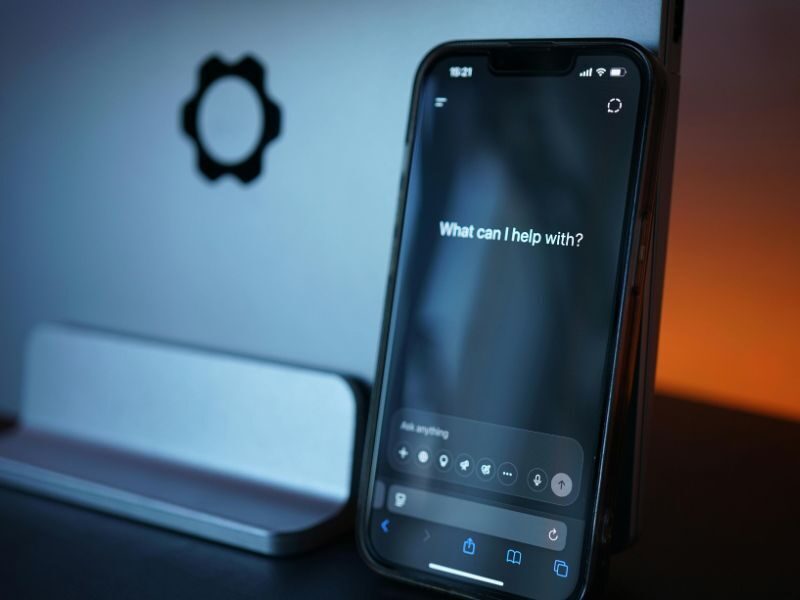
As someone who follows the tech landscape closely, I’m used to the constant stream of “revolutionary” announcements. But recently, I had a hands-on experience that genuinely stopped me in my tracks. It was the first time the hype became personal—and it changed how I see the future of work.
It started when I tested one of the new AI app-building platforms, Google’s AI Studio. I’m not a developer and don’t understand the mechanics of software creation. The promise: build a fully functional application without writing a single line of code, using natural language prompts.
I was skeptical. I’ve seen enough vaporware to know better. But I described a real problem I wanted to solve, and the AI handled the entire technical stack. In a surprisingly short time, I had a real, working application built with zero traditional coding. It was a “wow” moment—followed immediately by an “uh oh.”
The Realization: This Changes Everything
If I can build software that used to require an engineering team, what does that mean for everyone else? What does it mean for the job market?
We all know about ChatGPT. It kicked off a public AI revolution and became the fastest-growing app in history. But a lot of people still see AI as a sophisticated chatbot or a fun tool for creating weird images.
My experience showed me it’s much bigger than that. AI is now integrated into nearly every professional domain. It’s writing marketing copy (written content), generating video, helping doctors diagnose diseases, and yes—building applications. If your job involves patterns, data, or creative output, there’s an AI tool doing it or about to be able to do it.
The Uncomfortable Truth About Jobs
We once assumed jobs requiring years of training or specialized knowledge were safe. That assumption is being challenged.
The latest models can pass the Uniform Bar Exam at a top-tier level. They’re passing medical board exams and MBA exams. This doesn’t mean AI is replacing every professional, but it does show it can handle complex tasks we thought were exclusively human territory.
The truth is no one is automatically irreplaceable. AI has moved far beyond factory floors and basic data entry and is now aiming squarely at white-collar and creative work. A recent study suggested over 10% of current U.S. jobs are technically automatable right now. If a task can be done cheaper and faster by a machine, history says it eventually will be.
My Strategy: Don’t Wait for the Impact
So what’s the move? Engage immediately. Whether AI is a threat or a partner is still an open question, but the first step is to understand it and use it.
I’m prioritizing learning the tools relevant to my field. If you’re in marketing, you need AI copywriting and analytics tools. Designers need to master AI image and video generators. The goal isn’t to become an AI developer—it’s to become a human significantly augmented by AI.
AI can handle the tedious parts of your job. It can crunch huge datasets in seconds or draft a report in minutes. That frees you to focus on strategic thinking, emotional intelligence, leadership, and judgment—the things AI can’t easily replicate.
The Future Is Augmented
We’re in uncharted territory. Jobs will evolve, some will disappear, and new ones will emerge. The best way to future-proof your career isn’t to resist AI but to embrace it. Stay adaptable, stay curious, and cultivate the uniquely human skills that matter most.
It’s not humans versus machines anymore. It’s humans augmented by machines. My little app-building experiment was a clear reminder: the future is here, and it’s time to embrace it.
Instagram Feed


Latest from our Blog
 Sep 28, 2026Opening Doors Through the WES Gateway Program
Starting over in a new country can be challenging, especially for individuals who have been displaced by conflict, crisis, or other difficult circumstances. For many newcomers, one of the biggest barriers to continuing their education or career is proving their academic credentials when official documents are missing or incomplete. That is where the WES Gateway Program can help.
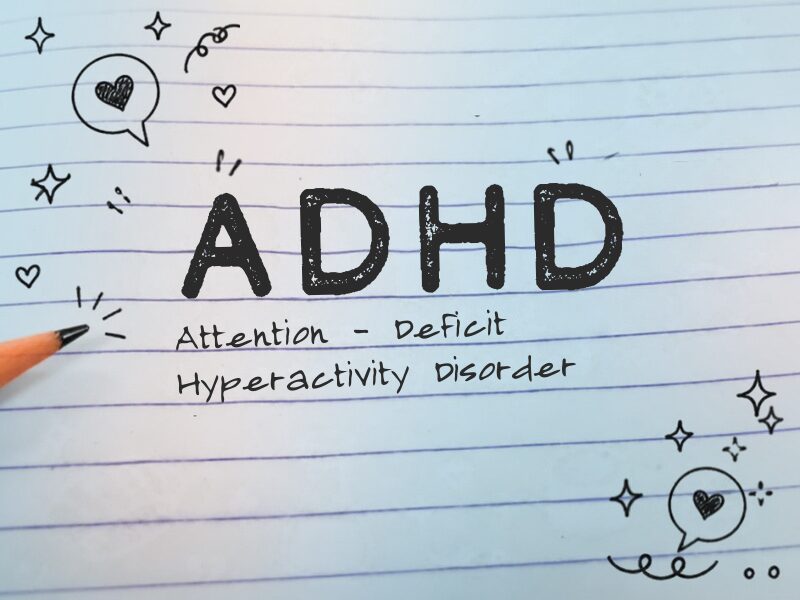 Sep 24, 2026ADHD Awareness Month: Understanding ADHD and Finding Support
At Front Door, our mental health professionals often hear from families who are trying to understand how ADHD is affecting their child at home, at school, and in everyday life. While every child is different, learning more about ADHD can help families identify supports and strategies that work for them.
 Sep 14, 2026Back to school: Good Stress VS. Chronic Stress and How to Cope
Back-to-school season can be exciting and stressful! But how do you know when it's good stress or chronic stress? Here's a few ways to tell and some strategies to help your kids cope through back to school stress.
"The staff at Lutherwood are always in your corner to help you achieve your goals. Even when I had a bad week, my Employment Advisor would check to make sure I wasn't getting discouraged in my job search."