
How to Build a Coping Toolbox: 5 Anxiety Relief Strategies for Teens
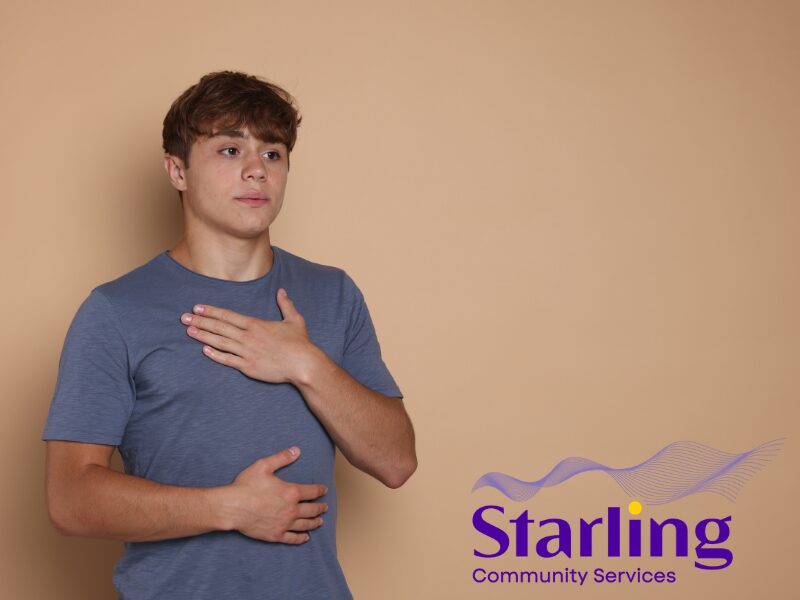
Anxiety is something many teens experience. It can show up as fast thoughts, a tight chest, trouble sleeping, or feeling worried all the time. The good news is that there are simple tools that can help you feel calmer and more in control. A “coping toolbox” is a collection of strategies you can use when anxiety feels overwhelming. You can keep these tools in a real box, a bag, your phone, or even your mind. Here are five helpful strategies that you can start using today.
1. Grounding With Your Senses (5-4-3-2-1 Technique)
When anxiety hits, your thoughts may race. Grounding helps bring you back into the present moment.
Try this simple activity:
- Name 5 things you can see
- 4 things you can touch
- 3 things you can hear
- 2 things you can smell
- 1 thing you can taste
This technique helps reduce worry by shifting your brain’s focus to what's around you right now.
2. Calm Breathing (Box Breathing)
Breathing is one of the strongest tools for calming the body. Box breathing is easy to learn:
- Breathe in for 4 seconds
- Hold for 4 seconds
- Breathe out for 4 seconds
- Hold for 4 seconds
Repeat this a few times. This strategy can help slow your heart rate and relax your nervous system.
3. Self-Soothing With the Five Senses
Self-soothing is a DBT skill that uses comforting sensations to help you feel safe. You might:
- Listen to your favourite song
- Hold a soft blanket
- Smell a scented lotion
- Sip warm tea or cold water
- Look at photos that make you smile
These small actions can help your body settle when your emotions feel too big.
4. Opposite Action
Sometimes anxiety makes you want to avoid things—like going to school, hanging out with friends, or trying something new. Opposite Action is a DBT (Dialectical Behaviour Therapy) skill that helps you face the situation instead of running from it.
For example:
- If anxiety says “stay in your room,” Opposite Action could be stepping outside for a short walk.
- If anxiety says “don’t talk to anyone,” you might send one text to a friend.
Doing the opposite of what anxiety wants can help you build confidence over time.
5. Create a Practical “Coping Kit”
Put together a small collection of items that help you calm down. Your kit could include:
- A stress ball
- A journal
- Fidget toys
- Positive affirmation cards
- A list of grounding or breathing exercises
Having a kit ready makes it easier to calm yourself when you’re feeling overwhelmed.
If your child is under 18 and you feel you require additional help, contact Front Door to Child & Youth Mental Health.
Instagram Feed


Latest from our Blog
 Sep 28, 2026Opening Doors Through the WES Gateway Program
Starting over in a new country can be challenging, especially for individuals who have been displaced by conflict, crisis, or other difficult circumstances. For many newcomers, one of the biggest barriers to continuing their education or career is proving their academic credentials when official documents are missing or incomplete. That is where the WES Gateway Program can help.
 Sep 24, 2026ADHD Awareness Month: Understanding ADHD and Finding Support
At Front Door, our mental health professionals often hear from families who are trying to understand how ADHD is affecting their child at home, at school, and in everyday life. While every child is different, learning more about ADHD can help families identify supports and strategies that work for them.
 Sep 14, 2026Back to school: Good Stress VS. Chronic Stress and How to Cope
Back-to-school season can be exciting and stressful! But how do you know when it's good stress or chronic stress? Here's a few ways to tell and some strategies to help your kids cope through back to school stress.
"I love the connection and equality I feel within Starling Community Services. Supporting the First Nation, Métis, and Inuit peoples in Waterloo Region has brought meaning to my life. I can offer cultural teachings and walk alongside participants through various periods of their lives. Above all, Starling has given me a sense of belonging."